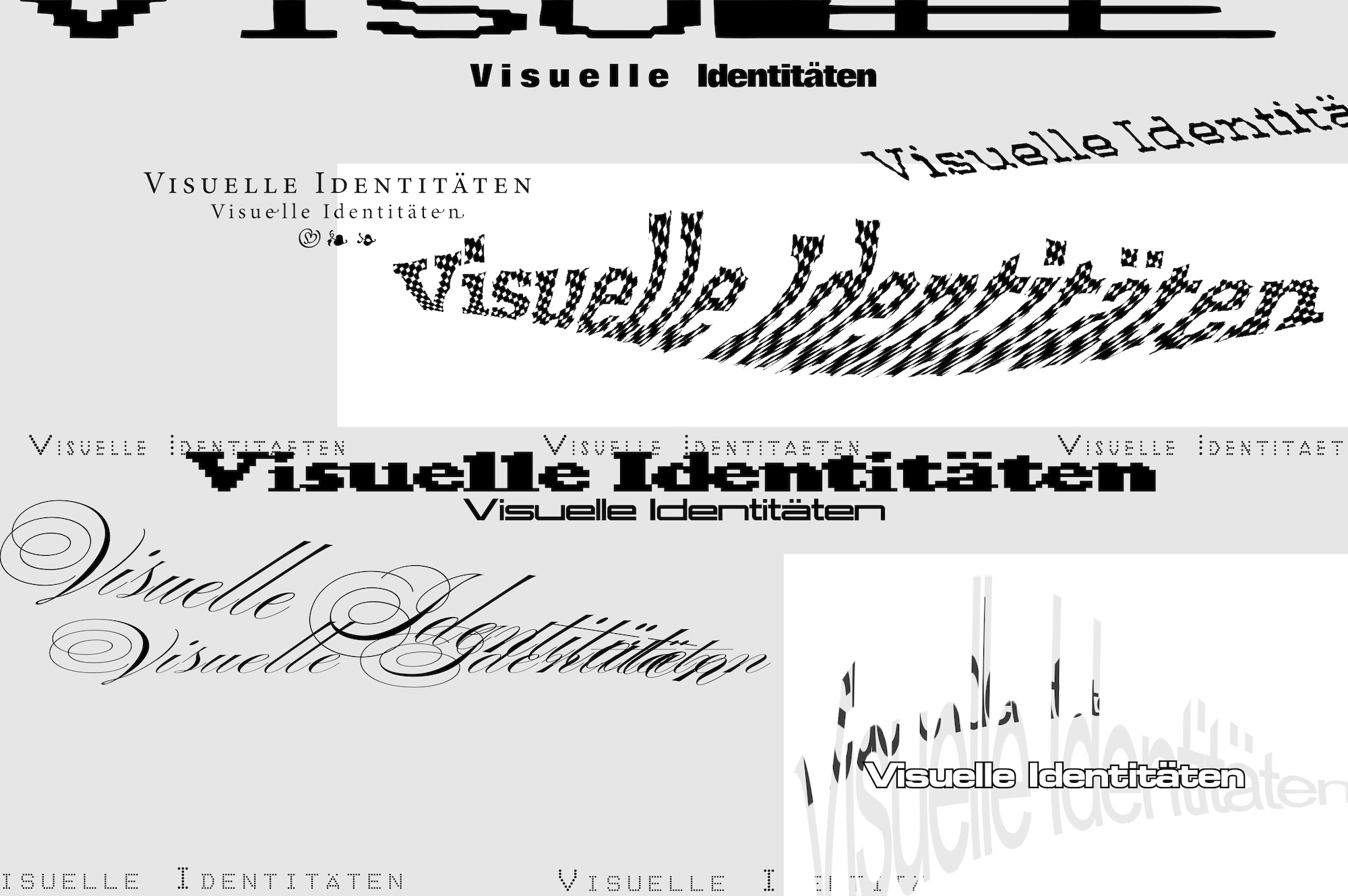
Visual Identities
In this studio focus, we explore how visual identities are formed and which principles and parameters shape them. We look at how different design elements interact and experiment with various approaches to develop distinct visual expressions. Graphic design is understood as an interdisciplinary field in which diverse methods and practices intersect.
The role of designers has changed and expanded significantly in recent years. Over the course of a project, communication designers often take on a range of responsibilities, from research and concept development to editorial, organizational, or scenographic tasks. Self-initiated projects are often as closely connected to practice as commissioned work. The complex field of visual identities, in particular, requires a combination of different skills. Research, typographic precision, photography, image-making, art direction, animation, communication, and organization are closely intertwined. Identities are not fixed visual systems, but dynamic constellations of typography, image, language, space, and medium, constantly evolving in dialogue with their context. Design thus becomes a form of engagement and positioning.
We will become familiar with a range of methods and techniques and explore them experimentally in order to translate ideas into appropriate visual forms. Depending on the context, there are many ways to approach a topic, project, or identity — conceptually, through research, analysis, aesthetics, politics, or methodology. Through semester assignments and self-initiated projects, we practice these approaches, reflect on them critically, and provide feedback. The outcomes can take many forms, including spatial interventions, videos, posters, websites, or publications.
People
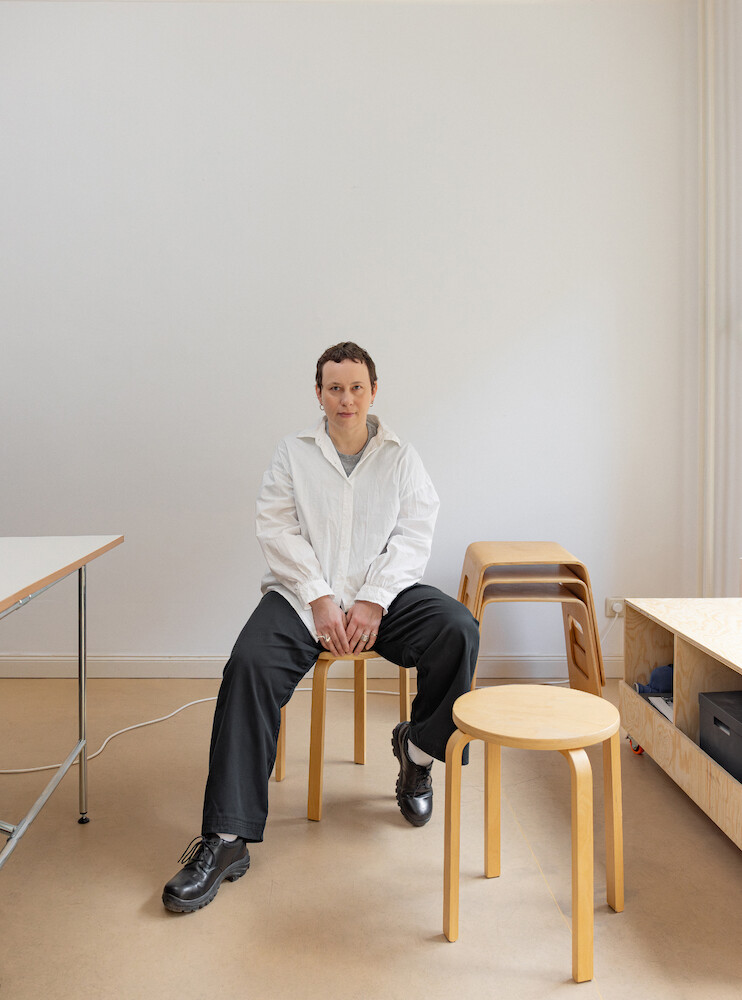
Anne Büttner
Visiting Professor of Visual Identities